Whether you’re planning a new kitchen, updating your bathroom, or designing built-ins with your client, we’d love to hear from you. Reach out to our team about your project and connect with an expert cabinet company near you.
Monday - Friday: 9am to 5pm
Saturday: By Appointment
Monday - Friday: 9am to 5pm
Saturday: By Appointment
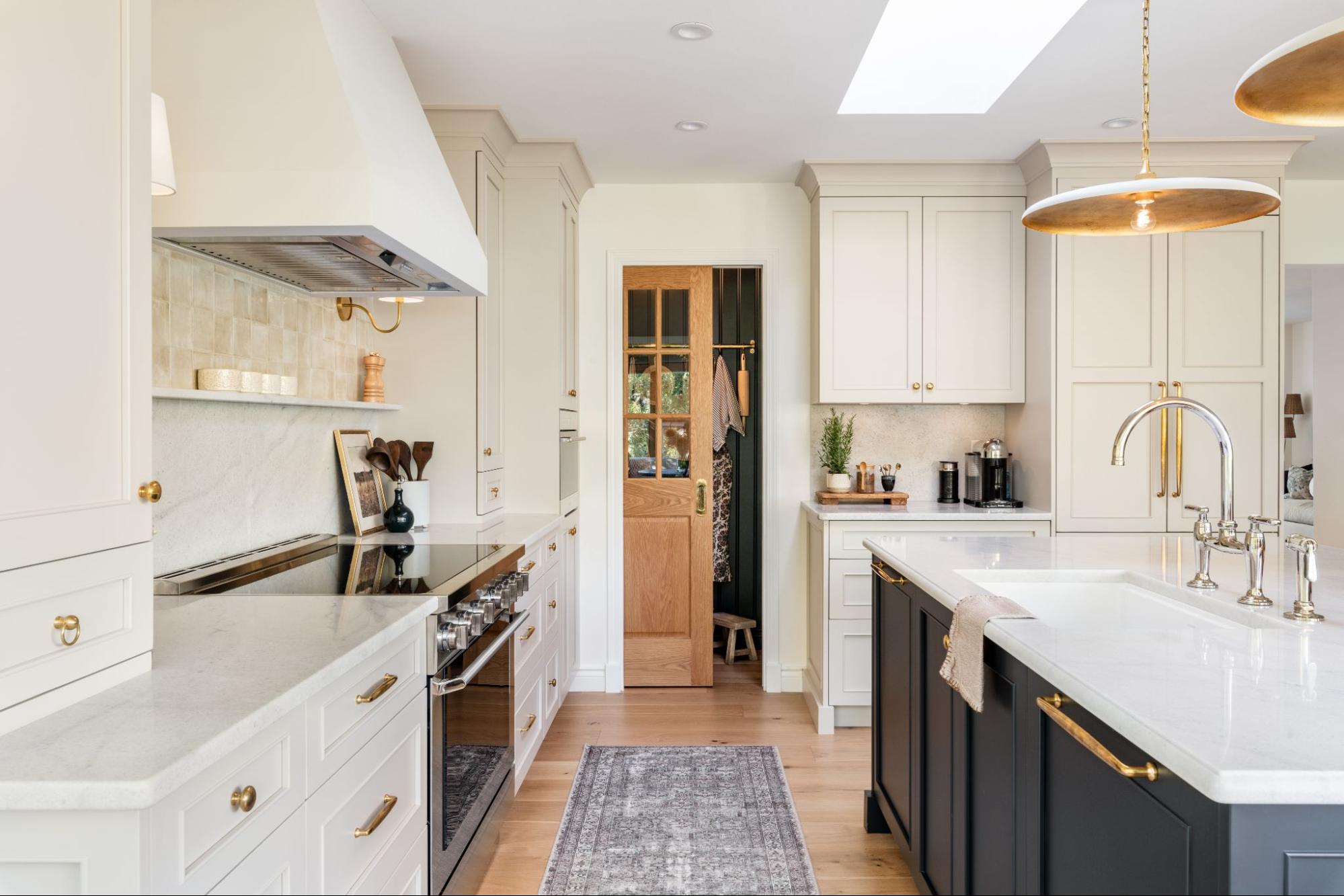
For new cabinetry projects in Victoria, there are typically four teams working together: the homeowner(s), the designer, the builder, and the millworker. In order for everyone to feel satisfied with the project, it’s important to know who is responsible — and accountable —for each step along the way.
When roles aren’t clearly defined, small decisions turn into friction, timelines slip, and trust erodes. Homeowners feel caught in the middle. Designers worry about execution. Builders worry about coordination. Millwork gets blamed for issues that started upstream.
Through our 45+ years of experience in home renovation and custom home construction in Victoria, we’ve learned that great cabinetry shares much with custom construction: the outcomes depend as much on clarity of responsibility as they do on craftsmanship.
We’ve discovered that cabinetry problems never begin with bad intentions. They start with unclear ownership, so we’ve put together this little guide to show who is responsible for each phase of the project to prevent confusion before it becomes a problem.
Cabinetry sits at the intersection of design, construction, and daily life. It touches appliances, finishes, electrical, plumbing, lighting, and ergonomics, which means many people across multiple teams are involved.
Without clear roles:
-
- Decisions get revisited
- Instructions conflict
- Changes happen quietly
- Accountability becomes fuzzy
Clear ownership doesn’t limit collaboration — it protects it.
Accountable for:
-
- Lifestyle goals and priorities
- Budget comfort and scope decisions
- Final approvals on layouts, finishes, and changes
Best contribution:
Clear preferences and timely decisions.
Where projects struggle:
-
- When homeowners are asked to mediate between professionals or approve things without context.
- When changes are requested during the project’s construction.
Owns:
-
- Overall design vision
- Spatial planning and visual cohesion
- Finish intent and material direction
- Client advocacy for design integrity
Best contribution:
-
- Clear design direction supported by documented decisions.
- Where projects struggle:
- When design intent isn’t fully translated into buildable detail
- When last-minute design changes bypass the process.
Owns:
-
- Construction sequencing
- Site conditions and readiness
- Coordination with other trades
- Schedule integration
Best contribution:
-
- A site that’s ready to receive the new cabinetry.
- Where projects struggle:
- When cabinetry is expected to compensate for uneven floors, incomplete finishes, or unresolved site issues.
Owns:
-
- Technical cabinetry detailing
- Engineering and shop drawings
- Fabrication quality
- Delivery and installation coordination
- Fit, finish, and final adjustments
Best contribution:
Predictable execution and a controlled installation process.
Where projects struggle:
-
- When millwork is treated as a commodity instead of a technical trade with sequencing needs.
This is where most tension blossoms, so it’s best to be explicit and specific about everything.
-
- Design decisions are documented before engineering
- Appliance specs are confirmed before drawings are finalized
- Approvals are clearly recorded before production begins
-
- All changes go through a visible process
- Impacts to cost, timeline, or scope are explained before proceeding
- No “quick tweaks” without alignment
Why are we emphasizing the concern about last-minute changes? In the world of millwork, we’re often looking at options that have less than an eighth of an inch of wiggle room. We measure, design, engineer, and install your new cabinets based on the initial design, so changing the size of your new stove or range hood or fridge can have a significant impact on the installation and operation of your new cabinets. We make the time to ensure the planning is perfect before the construction begins, so you get the high-quality installation and cabinets you expect from our team. Does this mean you can’t make changes in your design? Certainly not —but keep us involved in the decision process so we don’t show up to install your new cabinets in spaces where they won’t fit.
-
- Information flows through agreed channels
- Designers are not bypassed
- Builders are kept informed
- Homeowners aren’t put in the middle
These boundaries exist to protect everyone involved.
-
- We do not make design changes without documented approval
- We do not bypass designers to upsell homeowners
- We do not substitute materials or hardware without sign-off
- We do not proceed on verbal assumptions
- We do not rush installation to “make it fit”
This isn’t to remove design flexibility; it’s to ensure you get the best cabinetry products for your home.
Some tension is normal in custom work. Cabinetry lives where ideas meet reality.
What matters is how that tension is handled:
-
- Early conversations instead of late surprises
- Clear documentation instead of memory
- Shared understanding instead of silent assumptions
When roles are respected, tension becomes productive instead of personal.
People don’t hire cabinetry companies because they want cabinets.
They hire them because they want:
-
- Fewer surprises
- Less stress
- Better coordination
- A result that reflects the original intent
In other words, they’re hiring risk managers who happen to build cabinets exceptionally well.
Great cabinetry isn’t just about beautiful finishes and precise joinery; it’s about getting the people part right. When homeowners, designers, builders, and millworkers each understand their lane and respect the process, projects flow flawlessly. Decisions get made with confidence. Timelines hold. And the final result reflects the care everyone brought to the table.
At Coastal Accents Millwork, we’ve spent decades refining not just our craft, but how we collaborate. We know that clear roles aren’t about rigidity, they’re about creating the space for good work to happen. When you work with us, you’re working with a team that values your time, respects your vision, and understands that trust is earned through transparency, not promises.
If you’re planning a cabinetry project in Greater Victoria and want a partner who brings both technical precision and professional clarity, let’s talk. We’re here to make the process as satisfying as the result.